Why Your Google Ads Quality Score Is Hurting Your ROI


Your Budget Is Not the Problem. Your Quality Score Might Be.
Quality Score is Google’s rating of how relevant and useful your ads are to the people searching. It directly affects both what you pay per click and where your ads appear. A low score means you are paying a premium for worse placement than a competitor bidding less than you. A high score means the opposite: you can outcompete bigger spenders at a lower cost.
For marketing managers at SMEs managing tight budgets, this is not a minor technical detail. It is a lever that can significantly improve the return on every pound you invest in paid search.
What Is Google Ads Quality Score?
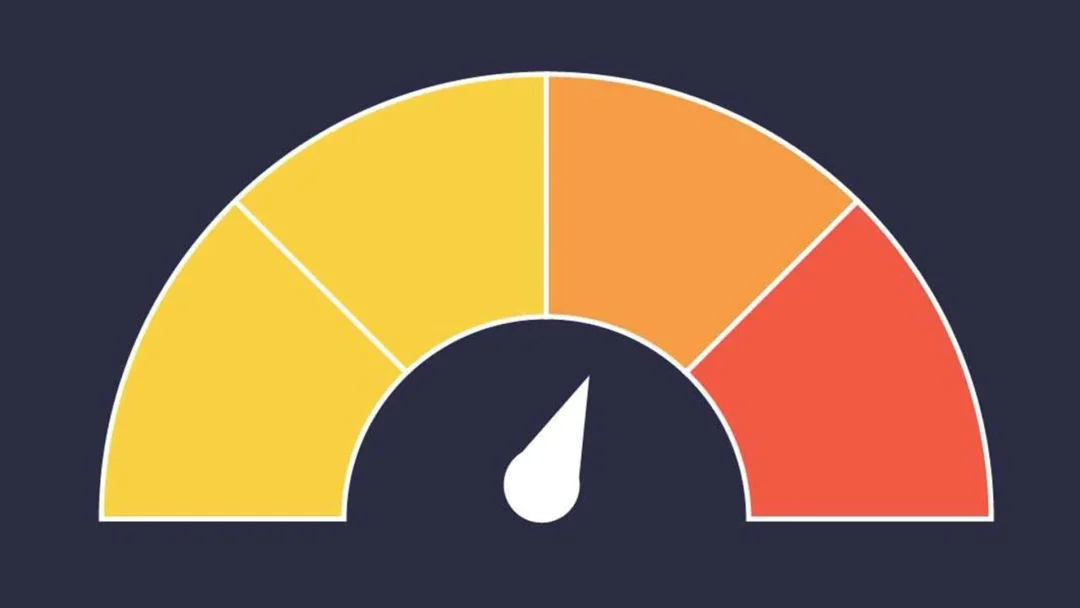
Quality Score is a diagnostic metric Google assigns to your keywords on a scale of 1 to 10. It is an estimate of the quality and relevance of your ads and landing pages relative to the searches triggering them.
It is built from three components:
- Expected Click-Through Rate (CTR): how likely Google thinks someone is to click your ad when it appears for that search term, relative to other advertisers.
- Ad Relevance: how closely your ad copy matches the intent of the keyword and the search query.
- Landing Page Experience: how relevant, useful, and easy to use the page is that your ad directs users to.
Each component is rated as Above Average, Average, or Below Average. The combination of these ratings produces your overall Quality Score. A score of 7 or above is generally considered healthy for most keywords. Brand terms often reach 9 or 10. Generic or competitive keywords are harder to score well on and require more deliberate effort.
How Quality Score Directly Affects What You Pay
Google does not simply award ad placement to the highest bidder. It uses a calculation called Ad Rank, which combines your bid with your Quality Score and the expected impact of your ad extensions. This means a higher Quality Score effectively multiplies the value of your bid.
The practical consequence is significant. An advertiser with a Quality Score of 8 can outrank a competitor with a score of 4, even if that competitor is bidding more per click. And the advertiser with the better score typically pays less for each click they win.
Conversely, if your Quality Score is low, Google charges you more to achieve the same placement. You are essentially paying a penalty for being less relevant. For SMEs where every pound of ad spend needs to justify itself, this can quietly drain budget without ever appearing as an obvious line item. This is why a regular account audit, like the kind our Google Ads team provides, is worth doing at least quarterly.
The Three Components in Practice
Expected Click-Through Rate
This is about whether your ad is compelling enough to earn a click. If your headline does not match what the user is looking for, or if it reads like every other ad on the page, your expected CTR will suffer. Tight, specific headlines that reflect the user’s search intent consistently outperform generic ones. Testing ad copy regularly is not optional if you want to maintain a strong score here.
Ad Relevance
Ad Relevance measures how closely your ad copy aligns with the keywords in your ad group. One of the most common culprits for a low relevance score is having too many loosely related keywords in a single ad group. If your ad group covers ten different keyword themes and you have written one set of ads for all of them, most of those ads will have low relevance for most of those searches.
This is worth reviewing even if your campaigns are long-established. Many accounts accumulate structural debt over time. You can see how this kind of structural thinking connects to our broader approach in the Performance Max post we published last month.
Landing Page Experience
This is where paid search and organic search converge. Google assesses whether the page a user lands on after clicking your ad actually delivers on what the ad promised. A landing page that is slow to load, difficult to navigate on mobile, or filled with content that does not match the ad will score poorly.
Page speed and mobile usability are both important here. If you have not looked at your site’s technical health recently, the Core Web Vitals metrics are a useful starting point. We covered what those scores actually mean in this post by Eliza.
5 Ways to Improve Your Quality Score
- Tighten your ad group structure
Group your keywords by theme, ideally by a single core topic per ad group. This makes it far easier to write ad copy that is directly relevant to each search, which improves both Ad Relevance and Expected CTR in one move.
- Write ad copy that mirrors keyword intent
Your headline should reflect what the user typed, or at least what they meant by it. Responsive Search Ads allow you to test multiple headline and description combinations. Use that flexibility, but make sure each variation is genuinely relevant rather than just filling the available character slots.
- Improve landing page relevance and load speed
Make sure the page a user lands on matches the promise of the ad. If your ad promotes a specific product or service, the landing page should be about that product or service, not your homepage. Pair that with a fast load time and a clear, mobile-friendly layout.
- Expand and review your negative keywords list
Negative keywords prevent your ads from showing for searches that are irrelevant to your business. A clean negative keyword list improves your expected CTR by ensuring your ads only show when they have a genuine chance of being clicked. Review search term reports regularly to identify new negatives.
- Use ad extensions to improve CTR signals
Sitelink, callout, and structured snippet extensions all give Google more to work with when composing your ad and can improve your click-through rate. They also signal to Google that you have put thought into your ad experience, which feeds positively into your overall Ad Rank.
A Note on Performance Max
Quality Score as a visible metric applies specifically to standard Search campaigns. Performance Max campaigns do not surface Quality Score in the same way, which is one reason why understanding how to structure your PMax budget is a separate challenge. The underlying principles, relevance, intent matching, and landing page quality, still apply inside PMax, but you have less direct visibility and control over them.
This is one reason we recommend running Search campaigns alongside PMax rather than replacing one with the other entirely. Search gives you the diagnostic data, including Quality Score, that helps you understand what is and is not working.
Get More From Your Existing Ad Budget
Improving Quality Score is one of the most cost-effective optimisations available in Google Ads. You are not spending more, you are spending smarter. For SMEs where budget pressure is constant, that distinction matters.
Regular auditing of your ad group structure, keyword relevance, ad copy performance, and landing page experience will surface Quality Score issues before they become expensive habits.
If you are not sure where your campaigns stand or you would like a fresh set of eyes on your account, the paid search team at Repeat Digital offers free audits with no obligation. Get in touch via our paid search page or find out more about how we manage Google Ads campaigns for SMEs across the UK.
Jump into another related resource
Whether you’re after expert-written blogs, downloadable guides, or time-saving checklists, our Resource Hub gives you practical tools to make your marketing more effective.