Q4 PPC Planning: Getting Your Landing Pages Ready for Black Friday

The hard part, and the bit that quietly eats into your ROI every year, is what happens after someone clicks, when they land on a page that doesn’t quite match what the ad promised and drift off again, leaving you having paid for a visit that came to nothing.
That is really the whole game in the fourth quarter. Your ads get people to the door, but it is your landing pages that decide whether they actually buy, and with click costs climbing every year in the run-up to Black Friday, a page that converts poorly stops being just a missed sale and becomes money going out the window on traffic you paid a premium to win in the first place. So before you pour budget into the ad accounts, whether that is Google Ads, Bing Ads or the paid social platforms, it is worth taking the time to get the landing pages right, and the sections below cover the things that can actually help.
Why Landing Pages Matter More in Q4 Than Any Other Time
It is worth being clear about why this particular season raises the stakes, because the same landing page that trundles along quite acceptably in the middle of summer can quietly cost you a fortune in late November. The reason is that everything gets more expensive and more competitive at once. More advertisers are bidding, so your cost per click rises, which means every visitor you win has cost you more than they would have a few weeks earlier, and every visitor you then lose to a weak page is a more painful loss than it would have been at any other point in the year.
On top of that, the people arriving in the Q4 rush behave differently from your usual visitors. They are shopping faster, comparing more options, and are far more willing to click straight back and try a competitor if anything about your page gives them pause. A small dip in conversion rate that you might not even notice in a quieter month becomes very visible when you are pushing serious budget through the account across a single weekend, which is the maths that makes landing pages the highest-leverage thing you can work on before Black Friday.
Start With the Promise Your Ad Makes
The single most common reason a Black Friday landing page underperforms is a mismatch between what the ad says and what the page then delivers. Someone clicks an ad promising thirty per cent off winter coats, lands on your general homepage, and has to go hunting for the offer they were sold, and most people simply will not bother. That gap between the promise and the delivery is what marketers call message match, and getting it wrong is one of the fastest ways to burn through a Q4 budget.
The fix is easy enough to describe, even if it takes a bit of discipline to carry through, because it comes down to making sure that whatever the ad promises, the landing page delivers the same thing straight away and in the same language. If the ad says thirty per cent off winter coats, then the headline on the page should say something very close to thirty per cent off winter coats, so that there is no hunting, no confusion, and no moment where the visitor wonders whether they have ended up in the right place. Within a second of arriving they should know that they have.
For a busy Q4 campaign with a lot of different ads running at once, that usually means building several landing pages rather than trying to funnel everything through one, because each ad group really deserves a page that matches its own specific promise. It is more work up front, admittedly, but it tends to be the difference between traffic that converts and traffic that lands, hesitates and bounces. It also matters that the match holds across platforms, because a Meta ads audience scrolling on their phone is in a different frame of mind from someone who searched a buying term on Google, and the pages they land on should reflect that rather than sending everyone to the same generic destination.
Get the Basics of the Page Right
Once the message matches, the fundamentals do most of the heavy lifting, and while none of them are especially glamorous, they are what separates a page that sells from one that just sits there looking presentable.
Speed
Page speed matters all year round, but on Black Friday it becomes brutal, because people are shopping quickly, flicking between several tabs at once, and are impatient by nature on a day built around snapping up a deal before it goes. A page that takes more than a few seconds to load will lose a good chunk of your paid traffic before it has even had the chance to show off the offer, so it is worth compressing your images, cutting anything that is not pulling its weight, and testing the whole thing on a phone well before the day itself.
Mobile first
Most Black Friday shopping now happens on a phone, very often from the sofa with the telly on in the background, so if your landing page looks lovely on a desktop but falls apart on mobile then you are quietly losing the majority of your visitors. It is worth checking that the buttons are easy to tap, that the text can be read without anyone having to pinch and zoom, and that the offer itself is visible without a long scroll to find it.
One clear action
A Black Friday landing page should really only ask the visitor to do one thing, whether that is to buy the product, claim the offer or start the order, because every extra link, every distraction and every well-meaning “while you’re here” is another opportunity for someone to wander off and not come back. Stripping the page back to the single action you actually want, and then making the button for it impossible to miss, is usually what lifts the conversion rate.
Make the Offer Impossible to Ignore
Black Friday shoppers are comparing you against everyone else, quite often in real time with several tabs open, so your offer needs to be clear, specific and easy to grasp at a glance rather than something they have to work to understand. Vague wording persuades nobody, because “great savings this Black Friday” says almost nothing, whereas “forty pounds off, today only” says something concrete, and putting a real number and a real deadline on the offer, both visible the moment the page loads, is what gives people a reason to act.
A few things tend to help more than most. A genuine deadline works because Black Friday runs on urgency, so a countdown timer or a clear “ends midnight Sunday” gives people a reason to buy now rather than later, which for most shoppers amounts to the same thing as never. A bit of proof that the offer is worth taking, whether that is reviews, ratings or a “ten thousand sold” badge, reassures someone who is deciding in a hurry and often tips the balance in your favour. And being upfront about anything that might otherwise surprise them at the checkout matters more than people think, because unexpected delivery costs appearing at the last moment are one of the biggest reasons a purchase gets abandoned, and on Black Friday a shopper who feels caught out will simply take their money to a competitor instead.
Your Landing Page Feeds Your Quality Score
There is a knock-on effect to all of this that a lot of people miss, which is that your landing page does not just influence whether a visitor converts, it also influences how much you pay for the click in the first place. Google grades every keyword in your account with a Quality Score, a rating from one to ten that reflects how well the whole experience hangs together, and one of the three things it looks at is landing page experience, alongside your expected click-through rate and how relevant your ad is to what was searched. In other words, the same message match that keeps a visitor on the page is also quietly earning you a better score behind the scenes.
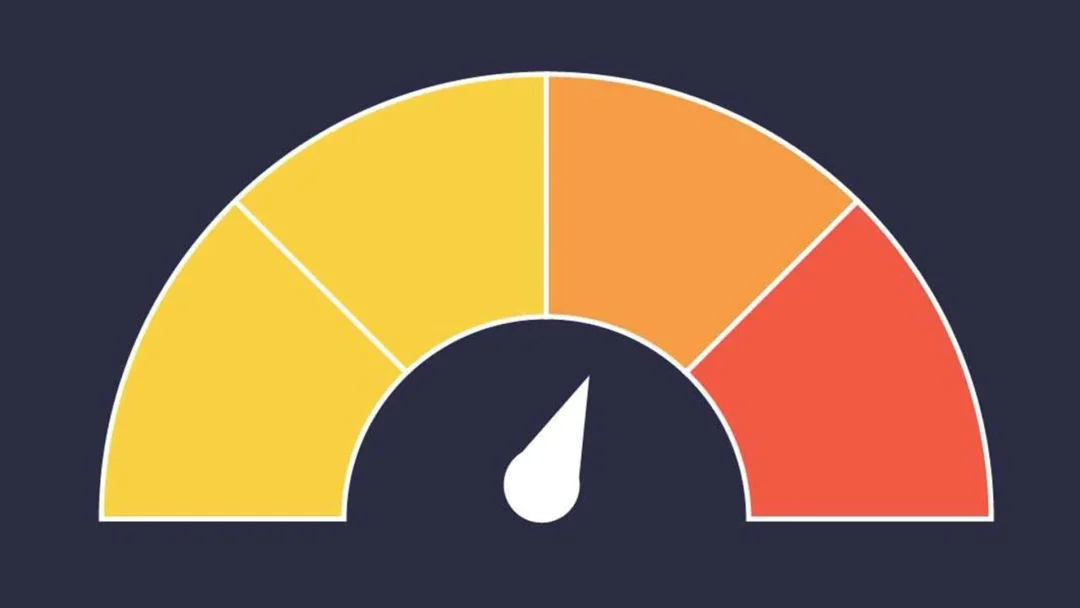
That score matters because it feeds directly into your costs and your ad position, so it is not an abstract number that only interests specialists. The gap between a good score and a poor one is genuinely large. Google works its benchmark around a Quality Score of five, and moving up from there brings real savings, with a score of ten cutting cost per click by around half against that benchmark and even a modest lift from five to seven trimming it by getting on for thirty per cent. Slip the other way and it hurts just as much, because a keyword sitting down at a score of one can cost you several times what the same click would at the benchmark.
The reason this is worth raising in a piece about Black Friday is that landing pages are the lever you can most easily pull on. Expected click-through rate and ad relevance are shaped by your ad copy and your keyword choices, but landing page experience is entirely within your control, and it is exactly the thing the rest of this article is about. A fast, relevant, well-matched page that delivers what the ad promised is not only more likely to convert, it is also the sort of page Google rewards with a stronger score, which means cheaper clicks at the very moment of the year when clicks are at their most expensive. If your average Quality Score across the account is sitting around the middle of the range, which is where a lot of accounts land, then tightening up your landing pages before the Q4 rush is one of the more direct ways to bring your average cost per click down rather than simply accepting it.
Match the Page to the Platform It Came From
It is tempting to build one strong landing page and point every campaign at it, but the platforms your traffic comes from are not interchangeable, and the more your budget is spread across several of them the more this matters. Someone arriving from a search ad has told you, through the very act of searching, exactly what they want, so the page can afford to get straight to the offer and the buy button. Someone arriving from a social platform was not searching for anything at all, they were scrolling, and your ad interrupted them, so that page often needs to do a little more work to earn attention before it asks for the sale.
The same logic applies right across a paid mix. A LinkedIn ads click in a business-to-business context is a considered, professional visitor who may want detail and reassurance, whereas a consumer clicking a Meta ads promotion wants speed and a clear deal. Trying to serve all of them with a single generic page means serving none of them especially well, so where the budget justifies it, matching the page to the platform it came from is one of the more reliable ways to lift the return on a Q4 campaign.
Plan for the Traffic Before It Arrives
The worst possible time to discover that your page can’t cope with a surge is at nine in the morning on Black Friday itself, which is exactly why proper Q4 planning means stress-testing everything before the rush rather than during it. That means checking the page holds up under load, making sure your tracking is firing correctly so that you can actually see what is working, and having someone ready to keep half an eye on performance across the day so that if a page starts to underperform you find out within hours rather than after the weekend, once the budget has already gone.
It is also worth setting your budgets and bids with Black Friday’s higher costs firmly in mind, because competition spikes, click costs rise, and a bid strategy that ran along quite happily in October can start to get expensive rather quickly in late November. Going into the period with a plan for that will always beat scrambling to react to it when the spend report lands. If you are not certain your account is in good shape going in, a Google Ads audit before the sales season starts is a sensible bit of housekeeping, because it is far cheaper to fix a wasteful setup in October than to watch it quietly haemorrhage budget across the busiest weekend of your year.
Don’t Forget the Weeks Either Side
Black Friday itself gets all the attention, but the smart Q4 plans treat it as the centre of a longer window rather than a single day. Plenty of shoppers now start hunting for deals in the days before, and Cyber Monday and the run into December keep the demand going well after the Friday has passed, so a landing page built to work only for one twenty-four-hour burst is leaving a fair amount on the table. Keeping the offer live, or evolving it sensibly across the whole period, tends to earn more than treating the day as a one-off.
Don’t Wait Until November
The biggest mistake we tend to see is businesses leaving all of this until the week before, when landing pages still need building, testing and tweaking, and the genuinely good ones are rarely right on the first attempt, so giving yourself enough runway to fix whatever the testing throws up is time well spent. If Black Friday is a big moment for your business, then the landing pages are really where the campaign is won or lost, and getting them ready now, while there is still time to test them properly, is what turns expensive Q4 traffic into actual sales rather than an expensive lesson.
If you would like a hand getting your paid campaigns and landing pages ready for the Q4 rush, that is exactly the sort of thing our paid search team does day in and day out, and a quick PPC audit will show you where your current setup is leaking budget and what to sort out before the busy season arrives. There is no pressure attached to it, just a clear picture of where you stand, which is worth having while there is still time to act on it.
Jump into another related resource
Whether you’re after expert-written blogs, downloadable guides, or time-saving checklists, our Resource Hub gives you practical tools to make your marketing more effective.